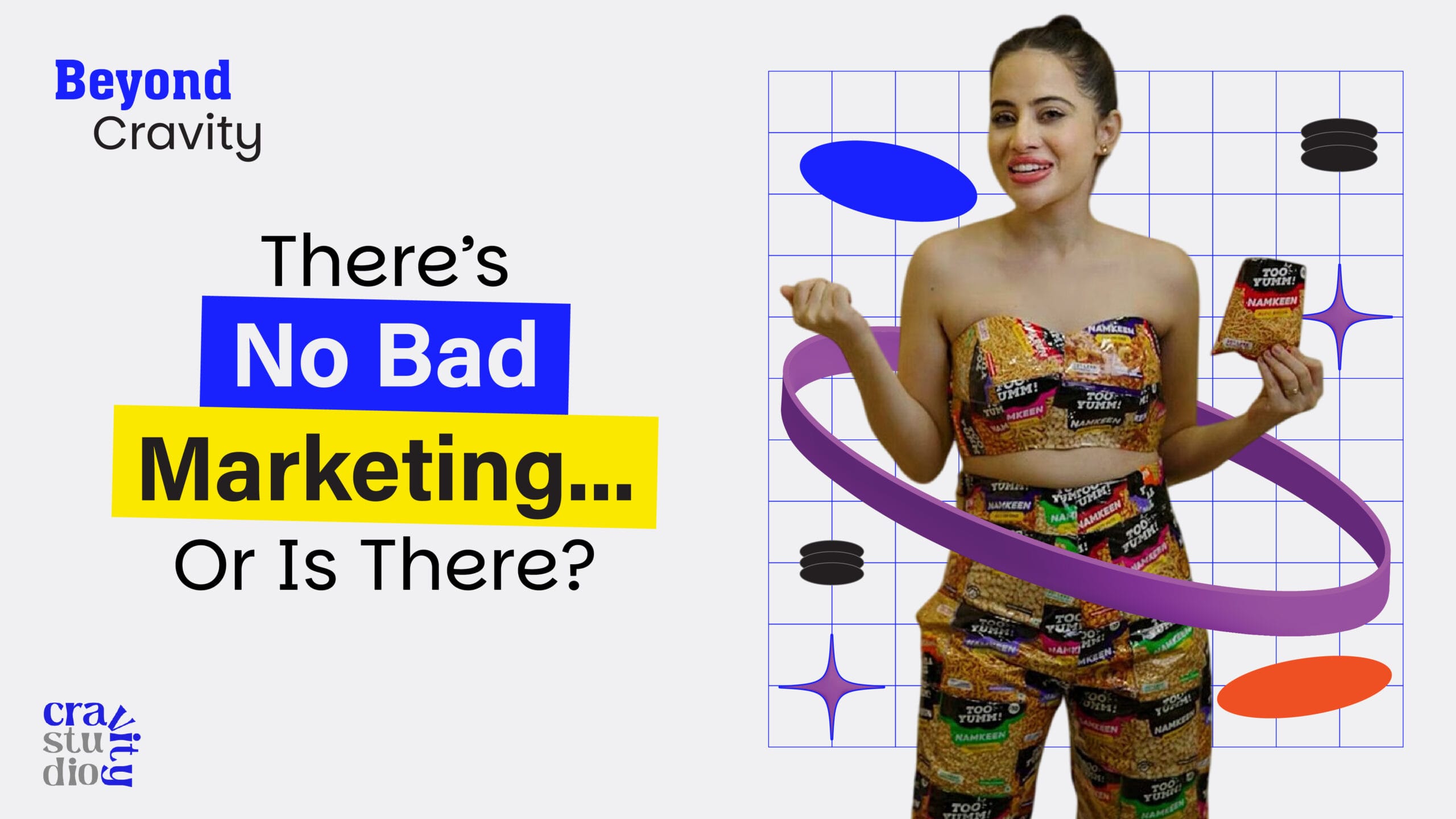
Let me ask you something: what did marketing originally mean to do?
Simple: create awareness about products and services. Nothing more.
But fast forward to today. With new technologies flooding in and attention spans shrinking by the second, getting people to actually notice you has become harder than ever.
Think about it. A campaign might look silly, even controversial, but if it captures people’s attention, it has done its job. Take that Ranbir Kapoor song where he had a glass stuck on his head, critics mocked it, memes exploded, and people rushed to see what the hype was about. The movie itself didn’t make waves, but the marketing moment was unforgettable. That’s the truth of marketing: awareness is the real currency. If people know you, talk about you, or even argue about you, you’ve already won half the battle.
Ready to Build Your Empire?
Stop guessing which campaigns will work and start creating attention-grabbing strategies that stick.
Why We Call Marketing “Good” or “Bad”
We’ve all done it, labelling campaigns as either a hit or a flop.
- Good marketing feels creative, inspiring, emotional, and polished.
- Bad marketing feels over the top, controversial, or just plain weird.
But here’s the twist: both can work. The “bad” ones often get more attention simply because they spark conversation. And in marketing, if people are talking about you, you’re already winning.
Case Studies: When “Bad” Turned Brilliant
1. Animal – Controversy as Fuel
When Animal was released, it was hammered by critics for glorifying toxic masculinity and violence. But instead of sinking, the movie exploded at the box office.
Why? The backlash itself became marketing. Social media debates, reels, and endless memes made it impossible to ignore. Even people who didn’t plan to watch it bought tickets just to see what the fuss was about.
2. Ranbir Kapoor’s Glass-on-Head Song
The film it came from wasn’t memorable, but the song sure was. Ranbir dancing with a glass stuck to his head went viral, spawning memes and shares everywhere.
The movie faded. The marketing moment lived on. Sometimes, one quirky visual is enough to create lasting recall.
3. Pepsi’s Kendall Jenner Ad
Remember Pepsi’s “unity” ad with Kendall Jenner? It was slammed for being tone-deaf and insensitive.
But here’s the thing, it had everyone talking. For weeks, Pepsi dominated headlines and social feeds worldwide. It wasn’t the reputation they hoped for, but the brand was front and centre.
4. Nivea’s “White is Purity” Campaign
In 2017, Nivea launched a deodorant ad with the tagline “White is Purity.” The campaign was immediately criticized for being racially insensitive, sparking outrage on social media worldwide.
Despite, or perhaps because of, the backlash, the campaign gained massive attention. People were talking, debating, and sharing it everywhere. While the controversy wasn’t positive PR, it made the brand impossible to ignore for a period.
This example shows how even marketing missteps can generate awareness, though it also serves as a reminder that attention alone isn’t enough; brands must consider the potential damage to reputation and trust.
What Makes Marketing “Good”
- A Positive Business Impact: Effective marketing drives real results, boosting sales, revenue, brand awareness, and customer loyalty.
- Value for Customers: Good marketing isn’t just about making a sale; it helps customers solve problems and meet their needs.
- Authenticity and Engagement: It tells a genuine, compelling story that resonates with the audience and keeps them engaged.
- Ethical Practices: Honest communication, respect for customer privacy, and delivering clear value are all part of ethical marketing. These practices foster trust and build long-term relationships with customers.
What Makes Marketing “Bad”
- Negative or No Business Impact: Marketing that fails to deliver results, or even harms them, can be considered “bad.”
- Customer Dissatisfaction: When campaigns focus solely on short-term sales and ignore customer needs, it leads to frustration and disappointment.
- Deception and Inauthenticity: Lies, misleading claims, or coercion break trust and harm the relationship with the audience.
- Product Disconnect: Marketing that oversells a product or service, which then fails to deliver damages credibility and erodes trust.
Key Factors to Evaluate Marketing
- Alignment with Business Objectives: Does the campaign support the company’s overall goals, or is it off-track?
- Customer Experience: Does the marketing create a positive, meaningful experience for the audience?
- Brand Integrity: Does the campaign uphold the brand’s values and help build a trustworthy image?
- Long-Term Sustainability: Is the marketing strategy focused on long-term growth and loyalty, or is it a short-term stunt that could backfire?
Why “Bad” Sometimes Beats “Safe”
Safe marketing blends in. Risky marketing sticks out.
Psychology explains it: people remember extremes. What shocks, annoys, or entertains lingers in memory.
What’s “nice and fine” fades instantly. That’s why so-called “bad” marketing can often be more effective than something polished but forgettable.
The Balance: Attention vs. Brand Standards
Not all attention is good attention. The key question is: Does this awareness build your brand or weaken it?
- Positive Controversy: Sparks curiosity and aligns with brand identity.
- Negative Controversy: Creates noise but risks damaging credibility.
The trick is to grab attention without losing trust. Otherwise, the buzz dies, and the brand suffers.
The Takeaway: Attention Is Everything
Here’s a question for you: What do you want your marketing to do? Just be “good” or “bad,” or actually be remembered?
The truth is, marketing isn’t about labels. It’s about making people notice you, talk about you, and maybe even argue about you. If your tagline is repeated, your ad is shared, or your campaign sparks debate, you’ve already won half the battle.
The real challenge comes next. Do you turn that buzz into respect, loyalty, and long-term trust? Or do you let it fade as soon as the chatter dies down?
There’s no perfect formula. Sometimes, it’s the campaign that makes people laugh, cringe, or argue that ends up filling theatres, selling products, or keeping your brand in the spotlight. So, forget chasing “good” or “bad” marketing, chase attention. Once you have it, you can shape it into something that lasts.
FAQs
1. Is “bad” marketing really effective, or just risky?
Bad marketing can be effective because it grabs attention and sparks conversation; however, it’s not a free pass to offend or mislead. The key is to balance boldness with brand integrity.
2. How do I know if my marketing is “bad” or just attention-grabbing?
If your campaign gets noticed but aligns with your values, solves problems for your audience, and doesn’t damage trust, it’s attention-grabbing. If it confuses, misleads, or offends without purpose, it’s truly “bad.”
3. Can controversy really help my brand grow?
Yes, but carefully. Positive controversy that sparks curiosity or aligns with your identity can increase awareness. Negative controversy can create visibility, but may hurt long-term credibility.
4. How do I measure the impact of marketing beyond attention?
Track engagement metrics (shares, mentions, comments), but also measure conversions, customer satisfaction, and brand perception. Awareness is only the first step; loyalty and trust come next.
5. What’s the safest way to experiment with bold marketing?
Test in small campaigns, pilot new ideas with a limited audience, and always review against your brand values. Learn, iterate, and scale the ideas that resonate.