Social media isn’t what it used to be.
What worked 2 years ago is now ignored.
What brands used to control, users now shape.
As a marketing agency, we’ve observed one clear shift:
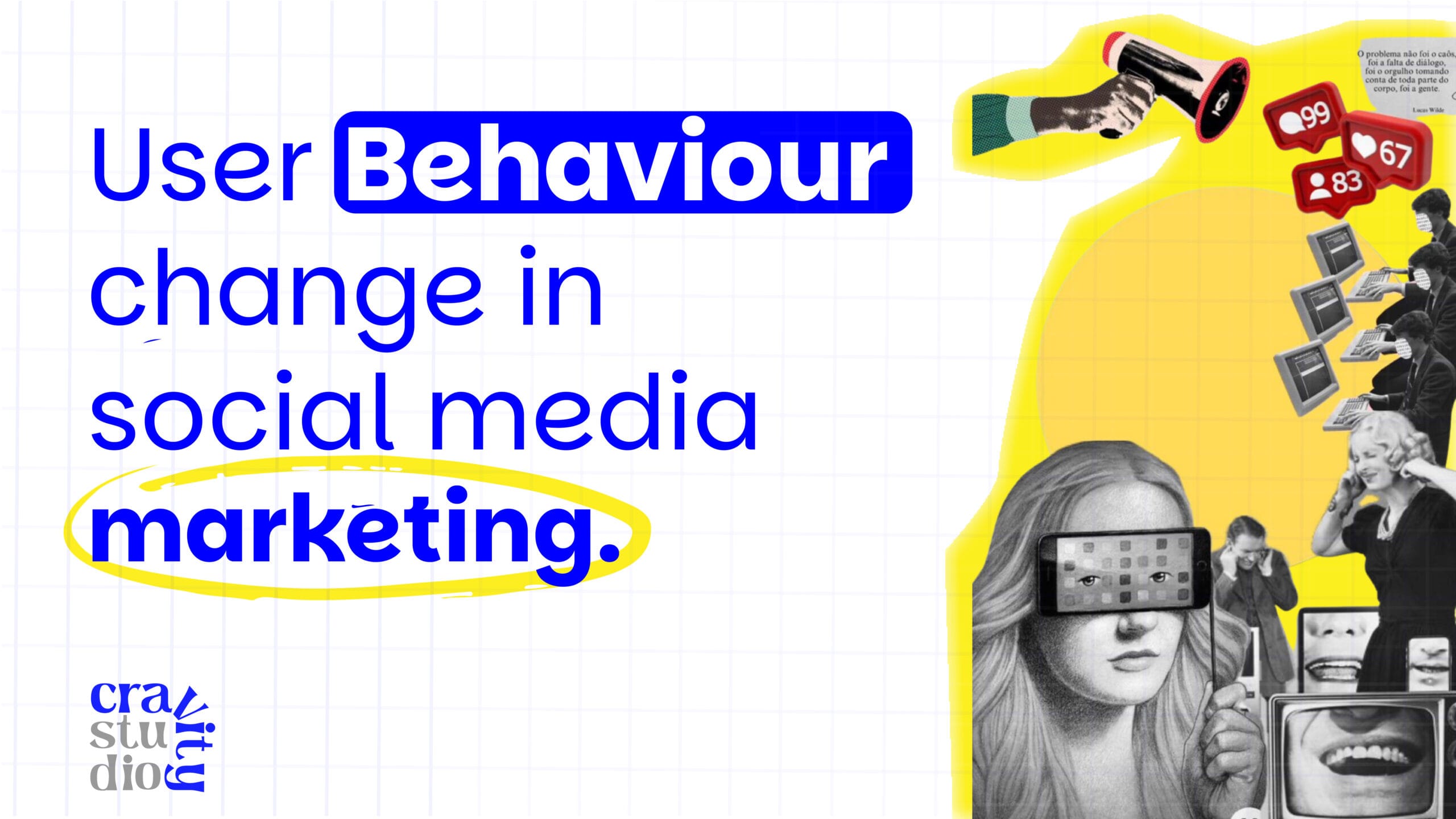
User behaviour is evolving faster than marketing strategies.
Here are 10 key behaviour changes every brand needs to understand:
- Attention Span is Shorter But Expectations Are Higher
Users scroll fast, but pause only for content that instantly delivers value.
Hook is important, but relevance is everything.
- Users Prefer Real Over Perfect
Highly polished content is losing to raw, authentic storytelling.
People connect with people, not perfection.
- Silent Viewers Are the Majority
Not every engaged user likes, comments, or shares.
But they watch, judge, and remember.
- Trust Has Become the Currency
Users don’t just consume they verify.
Credibility, transparency, and consistency now define brand success.
- Content is Expected to Educate or Entertain Ideally Both
Promotional content alone doesn’t work anymore.
If it doesn’t add value, it gets skipped.
- Community Matters More Than Followers
Brands are shifting from “audience building” to community building.
Engagement > vanity metrics.
- Decision Making Happens on Social Media
Users don’t just discover they decide.
Reviews, reels, and relatability influence purchase behaviour.
- Personalization is No Longer Optional
Generic content gets ignored.
Users expect content that feels made for them.
- Users Trust Creators More Than Brands
Influencers and creators drive relatability.
Brands need to collaborate, not compete.
- Consistency Builds Familiarity Not Just Visibility
Posting regularly is not about algorithms anymore.
It’s about staying relevant in the user’s mind.
What This Means for Brands
Social media marketing is no longer about just posting content.
It’s about understanding behaviour, building trust, and creating meaningful interactions.
Brands that adapt will grow.
Brands that don’t will disappear in the scroll.
The question is no longer:
“What should we post?”
The real question is:
“Why would someone care?”